






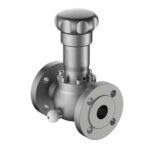
Why Proper Flame Arrestor Selection Matters
When you are dealing with flammable gases, volatile liquids, or process equipment in refineries, petrochemical, and chemical plants, the flame arrestor you choose can be the difference between a safe operation and a catastrophic incident. A Flame Arrestor is a safety device designed to allow gas flow through it while preventing the flame from reaching back into the unprotected side. But not all flame arrestors are created equal. Choosing the wrong device for your application can lead to under-performing or over-specifying, both of which increase cost and risk.
This comprehensive selection guide will walk you through the key parameters that determine which type of flame arrestor fits your specific application: gas group, flame propagation characteristics, operating conditions, pipe dimensions, material compatibility, and certification requirements. By the end, you will have a clear decision-making framework and the confidence to choose the right device with minimal risk.
Understanding Flame Arrestor Types
Flame arrestors are classified into three main categories based on their installation location and the type of flame they are designed to stop:
1. End-of-Line (EOL) Flame Arrestors
These are installed at the end of a pipe line, usually at a vent nozzle, storage tank outlet, or the opening of a vessel. Their primary job is to prevent external ignition sources (like lightning, static electricity, or surface flames) from entering the system and igniting a potentially explosive mixture inside.
- Best for: Vent lines, storage tanks, nozzles, system outlets
- Flame type: Deflagration (deflagrating/fast-burning flame)
- Typical applications: Refinery towers, loading facilities, chemical storage tanks, fuel gas storages, process drums
2. In-line Deflagration Flame Arrestors
Installed within the pipe line itself, these devices are designed to quench deflagration flames (subsonic flame propagation velocities that accelerate to a fraction of the speed of sound). They are the most common type used in process plants and are especially effective for short-run pipe sections.
- Best for: Piping, process plant, gas compressor discharge, vapor recovery systems
- Flame type: Deflagration (fast burning/subsonic)
- Typical applications: Gas transport lines, manufacturing facilities, refinery heaters, chemical process plants
3. In-line Detonation Flame Arrestors
The most robust type of flame arrestor – designed to stop detonation flames (supersonic flame propagation velocities that exceed the speed of sound). These are required in long pipe runs where a detonation flame could develop, such as in gas transport pipelines or long-distance manufacturing pipelines. These devices are more complex to design and certify and are typically validated by third-party inspection bodies such as TUV or Bureau of Veritas.
- Best for: Long-run gas support lines, distant manufacturing facilities, offshore platforms, LNG transport
- Flame type: Detonation (supersonic/stable flame propagation)
- Typical applications: Gas plants, petrochemical facilities, oil and gas processing plants, mining operations
- Important: Requires ISO 16852-12 style testing and certification by notified bodies (TUV, Bureau of Veritas)
Flame Arrestor Selection Decision Tree
STEP 1
Is this an end-of-line installation?
Or an established pipe location?
Or in-line (within pipe)?
Short run (under 1000m)?
Long run (over 900m)?
Do you know the flame type?
Deflagration only?
Could be detonation?
Key Selection Criteria – The Most Important Factors
Selecting the right flame arrestor requires evaluating several key parameters. Ignoring any of these can lead to under-performing or over-specifying, both of which increase cost and risk:
A. Gas Group and MESG (Maximum Effective Safe Gap)
| Gas Group | Example Gases | MESG (mm) | Note |
|---|---|---|---|
| IIA (Industrial) | Methane, Propane, Ethanol, Ethylene, Acetylene, CO, Hydrogen sulfide | – | Highest hazard risk |
| IIB (Industrial B) | Ethylene, Ethane, Gasoline vapor, Ethyl ether, Ammonia, Town gas/Air | 0.95 | Very high hazard risk |
| IIBC (Industrial C) | Acetylene, Acetyl, Propadiene, Butadiene, Ethyl, Methane, Propane | 0.65 | High hazard risk, needs special design |
| IIDC (Industrial D) | Hydrogen, Ethyl, Dimethylamine, Alkonyl Gas, Synthetic Gas, Carbon Oxide | 0.90+ | Lowest hazard risk, most flexible devices |
| IIID (Explosive) | Hydrogen, Ethyl, Ammonia, Methane, Carbon Oxide, Hydrogen, Propane | 0.85 | Low hazard risk, requires specific checks |
| IIFC (Explosive) | Hydrogen, ethylene, Carbon Oxide, Acetylene, Ammonia, AKO mixtures | 0.45- | Very low hazard risk, larger mesh sizes offered |
The Maximum Effective Safe Gap (MESG) is the largest distance between the surfaces of the flame arrester elements. A smaller MESG means the flame can pass through tighter spaces, making the device less effective. Always match the gas group to your process gas to ensure proper device selection.
B. Operating Conditions and Flame Characteristics
| Parameter | What to Consider | Recommendation |
|---|---|---|
| Gas Type | Do you know the exact gas composition? Optionally get it analysed. | Different gases require different checks and certifications |
| Pressure | Maximum operating pressure (bar g / psi) | Determines the pressure rating and maximum event pressure |
| Temperature | Minimum/Maximum operating temperature (-50C to +140C) | Material selection, seal settings, crystallizer or elastomers |
| Flow Velocity | Maximum gas velocity in the pipe (m/s) | Critical for determining the right type of device (deflagration vs. detonation) |
| Dry Point | Liquid condition (temperature, composition) | Determines whether the system operates below or above the dew point |
| Potential Ignition Source | Type of ignition source (flame, electric spark, hot surface) | Dictates the minimum energy required to ignite the mixture |
C. Pipe Dimension and Material Compatibility
| Parameter | Standard Ranges | Material Options |
|---|---|---|
| Pipe Size (DN) | 1 inch to 2 inch (DN7.5 to DN20), larger on request | Match to pipe size; standard flanges available |
| Operating Pressure | Vacuum to full pressure rating of the system | Check pressure rating of the device and pipe system as appropriate |
| Fluid Composition | Hydrocarbons, alcohols, aldehydes, solvents, other chemicals | Must be compatible with the process media; check for corrosion compatibility charts |
| Temperature Range | -60C to +140C typical | Material selection is critical; consider cryogenic effects at extreme temperatures |
| Certification | ISO 16852, ATEX, EAC, DOT, TPEC, API 2000, GOST, industry-specific | Depends on your industry and regulatory requirements |
| Cost | Budget-friendly materials for standard sizes; custom for unique apps | Stainless Steel (304/316/316L) or alternatives; depends on application |
Step-by-Step Selection Process
-
1
Define your application
Identify your installation type, location, operating conditions, and the type of flame you are dealing with. -
2
Identify gas group and flame type
Use gas group tables and flame characteristics to determine the flame classification and select the correct device type (EOL, In-line Deflagration, or In-line Detonation). -
3
Check operating conditions
Verify pressure, temperature, flow velocity, dry point, and ignition source type. Make sure flow conditions are met. -
4
Select material and certification
Choose the right material (Stainless Steel / Aluminum Alloy / Hastelloy) and ensure certification compliance with your industry requirements (ISO 16852, ATEX, EAC, DOT, API 2000). Always request ISO 16852 style test results if needed. -
5
Verify pipe dimensions and flanges
Ensure the device fits your pipe SNPSK (Standard Normal Pipe Size) and flange classification. Confirm the orientation and flow direction. -
6
Double-check with manufacturer
Confirm all specifications with your supplier or a manufacturer engineering support team. Request DOT TPEC certification reports and ISO 16852 style test results if needed. -
7
Install and maintain
Post-installation check and establish a regular inspection and maintenance schedule.
Common Mistakes to Avoid
- ✗ Overspecifying
Choosing a larger device that can handle the job, but overspecifying means increased costs and risks of failure during inspection intervals. It also leads to unnecessary purchasing of unneeded equipment.
Right approach: Specify the exact gas composition and conditions, then choose the minimum necessary device that can safely handle the job. - ✗ Ignoring Gas Group
Not accurately identifying your gas group can lead to selecting a device with an incorrect MESG value, causing unfavorable flame transmission.
Right approach: Always have your exact gas composition analyzed by a certified lab and use the resulting gas group table to select the correct device. - ✗ Skiping ISO 16852 Certification
ISO 16852 is the international standard for flame arrester safety device design. A device without ISO 16852 certification cannot demonstrate compliance and reliability.
Right approach: Only purchase flame arrestors from manufacturers who can provide third-party style test reports and certifications. Always request the ISO 16852 certification and test reports. - ✗ Ignoring Flow Velocity
High flow velocities can cause flame stabilization (the “blowout” phenomenon), where the flame propagation speed exceeds the maximum allowable flow speed of the device.
Right approach: Calculate your maximum expected gas velocity and select a device with a flow capacity at least 20% greater than your expected maximum. Consult your supplier or a process safety engineer for help. - ✗ Neglecting Inspection Schedule
Not planning for maintenance during operation. Flame arrestors have specific inspection and maintenance intervals (yearly style tests and recertification). Incorporating these costs into your budget now saves money in the long run.
Right approach: Schedule regular inspection and maintenance (yearly for testing and replacement of special parts). Document all inspection and maintenance records.
Frequently Asked Questions
End-of-line (EOL) flame arrestors are designed for vent lines, nozzles, and system outlets where the primary threat is to prevent external ignition sources (lightning, static electricity) from entering the pipe. They are not suitable for in-line applications where flame propagation can occur within the pipe. They should be installed at the end of each opening where a flammable mixture could enter the system.
Deflagration flame arrestors stop subsonic burning flames (flame propagation at a fraction of the speed of sound). They are usually for short-run pipe sections and are most common in process plants and manufacturing facilities. In-line Deflagration Flame Arrestors (also called in-line stable or process arrestors) are for pipelines where the flame speed is slow enough for a deflagration to occur. Detonation flame arrestors require a higher level of security and are necessary when the pipe length is long enough to support supersonic flame propagation speeds. They are more expensive to install and maintain and require regular ISO 16852 style testing by notified bodies like TUV or Bureau of Veritas.
Material compatibility is not optional – you must check that the material is compatible with your process media. For example, alcohol may be corrosive with many gases but can react with stainless steel. Stainless steel and aluminum alloys are the most common, but do not assume the same with hydrocarbons or acetylenics. Check with your supplier for material recommendations and alloys specified for your application. Consult the ISO material standards for guidance.
Depending on your application and industry requirements, the certifications you need may vary:
- ISO 16852 – International Standard for flame arrester safety device design
- ATEX / IECEx – Certification for explosive atmospheres (European / International)
- EAC / CU TR – Customs Union Technical Regulation compliance
- DOT / TPED – US Department of Transportation / European Transport Equipment Directive (for ground transport)
- TPEC – Canadian Transportation Certification (water equipment)
- API 2000 – Tank Venting Rated (TVRK) certification for refinery and process plants
- GOST R – Russian Government Certification of Compliance
A: No – ASME B6528 is the US standard for flame arrestors used in dangerous and chemical processing environments. It works alongside ISO 16852 but has different requirements and testing methods. If you are operating in the US, ensure compliance with ASME B6528. If you serve international markets, check for both ASME B6528 and ISO 16852 compliance.
Get Expert Help Now
Our engineers can help navigate the selection process and ensure you choose the optimal device for your application’s specific requirements.
 English
 Russian
 Arabic
 Spanish
 Portuguese
 Chinese