






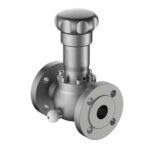
Emergency Relief Valves for Storage Tank Overpressure Protection
Emergency relief valves (ERVs) are large-capacity, fast-opening safety devices that protect atmospheric and low-pressure storage tanks from catastrophic overpressure during fire exposure, equipment failure, or process upsets. Unlike pressure vacuum relief valves that handle normal breathing loads, emergency relief valves open fully at a preset overpressure set point and provide the high flow capacity required to prevent tank failure during an emergency venting event. Wanan Technology manufactures API 2000, API 520/521 and PED compliant emergency relief valves for crude oil storage, refined product terminals, petrochemical tanks, and chemical storage globally.
Overpressure is one of the leading causes of atmospheric storage tank failures. API 2000 requires that tanks be equipped with emergency venting capacity sufficient to handle fire exposure, which can generate vapor loads many times higher than normal operating venting. An improperly sized or non-functional emergency relief valve can lead to tank roof uplift, shell buckling, catastrophic failure, and release of the stored product.
Key Features of Wanan Emergency Relief Valves
- Full-bore weighted pallet design opens completely at the set pressure, delivering maximum flow capacity in the shortest possible time for fire emergency scenarios.
- API 2000 / API 520/521 sizing — each valve is sized using recognized industry standards to handle the specific emergency venting requirement of the protected tank.
- Dead-weight pallet actuation — no springs to fatigue or corrode, providing reliable long-term performance with minimal maintenance in outdoor storage environments.
- Optional manway cover configuration allows the emergency relief valve to replace a standard manway cover, combining access and emergency venting in a single nozzle.
- Stainless steel and aluminum construction minimizes weight on the tank roof while providing corrosion resistance for aggressive hydrocarbon and chemical vapors.
- Optional vacuum protection pallet adds vacuum relief capability for tanks that experience significant inbreathing during pump-out or rapid temperature drops.
Types of Emergency Relief Valves
Wanan supplies emergency relief valves to cover the full range of tank configurations and operating requirements:
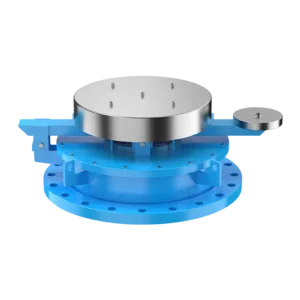
- Weighted pallet emergency relief valve — the most common configuration for atmospheric tanks. The pallet lifts off its seat when tank pressure exceeds the set weight, opening a full bore for emergency venting.
- Emergency vent / manway combination — replaces a standard 20-inch or 24-inch manway nozzle on the tank roof, providing personnel access and emergency venting from a single connection.
- Gauge hatch / emergency vent combination — combines a gauge hatch with an emergency relief device for smaller tanks where roof space is limited.
- Vacuum / emergency vent combination — provides bidirectional protection for tanks subject to both overpressure and vacuum conditions beyond the range of the primary PVRV.
For normal operating pressure and vacuum management, see our pressure vacuum relief valves. Emergency relief valves supplement but do not replace primary PVRV systems.
Specifications
| Model | Type | Size Range | Set Pressure | Body Material | Standard |
|---|---|---|---|---|---|
| W-ERV-01 | Weighted Pallet ERV | 6" – 30" | 0.5 – 10 oz/in² | Aluminum / SS 304 | API 2000 |
| W-MWV-01 | Manway Emergency Vent | 20" / 24" | Customizable | Carbon Steel / SS | API 2000 / API 650 |
| W-VPERV-01 | Vacuum + Pressure ERV | 6" – 20" | Custom P/V Setting | Aluminum / SS 316L | API 2000 / ISO 28300 |
Applications
Wanan emergency relief valves are installed on atmospheric and low-pressure storage tanks across the hydrocarbon and chemical industries:
- Crude oil floating roof and fixed roof storage tanks
- Refined product terminals (gasoline, diesel, jet fuel, kerosene)
- Tank farm fire protection compliance (API 2000 emergency vent sizing)
- Petrochemical and chemical plant storage tanks
- LPG and LNG bunded storage bays and tank farms
- Offshore FPSO and production platform slop tanks
Certifications and Standards
Wanan emergency relief valves comply with internationally recognized storage tank safety standards:
- API 2000 — Venting Atmospheric and Low-Pressure Storage Tanks, covering both normal and emergency venting requirements including fire exposure calculations.
- API 650 — Welded Steel Tanks for Oil Storage; nozzle sizing and manway configurations are compatible with API 650 tank designs.
- ISO 28300 — Petroleum, petrochemical and natural gas industries venting standard, equivalent to API 2000 for international projects.
- ATEX / EAC — Available for hazardous area and CIS market projects where conformity marks are required.
How to Size an Emergency Relief Valve
- Calculate fire case venting requirement. Use API 2000 Table 4 or the wetted surface area method to determine the emergency venting capacity required for fire exposure.
- Determine set pressure. The ERV set pressure is typically above the normal PVRV set pressure but within the tank's MAWP. Common settings range from 0.5 to 8 oz/in².
- Select valve size. Size the bore to achieve the required flow capacity at the set pressure with minimum pressure accumulation above the set point.
- Choose configuration. Standalone ERV nozzle, manway combination, or supplementary gauge hatch vent — based on available tank roof nozzles and access requirements.
- Verify material compatibility. Confirm that pallet, seat, and body materials are compatible with the stored product and ambient conditions.
Our engineers can assist with API 2000 emergency venting calculations for new and existing tanks. Contact us with tank dimensions and stored product details.
Frequently Asked Questions
What is the difference between a PVRV and an emergency relief valve?
A pressure vacuum relief valve (PVRV) handles normal operating breathing loads at low pressure and vacuum settings, and is designed to minimize product loss. An emergency relief valve is a larger, full-bore device that opens quickly under fire exposure or process upset conditions where high flow capacity is needed to prevent tank overpressure failure.
What standard covers emergency relief valve sizing for storage tanks?
API 2000 and ISO 28300 provide emergency venting sizing methods based on wetted surface area and fire case heat input. These standards are used by tank designers, operators, and inspectors worldwide.
Does an emergency relief valve replace the primary PVRV?
No. Emergency relief valves supplement, but do not replace, primary pressure vacuum relief valves. The PVRV handles routine breathing; the ERV provides additional capacity for emergency overpressure scenarios such as fire exposure.
What is weighted pallet actuation?
A weighted pallet design uses the weight of a metal disk (pallet) to set the opening pressure. When tank pressure lifts the pallet weight, the valve opens fully. There are no springs, making this design reliable in outdoor and corrosive storage environments with minimal maintenance.
Can an emergency relief valve be combined with a manway cover?
Yes. Wanan supplies manway emergency vent combinations that replace a standard 20-inch or 24-inch tank roof manway cover. This configuration provides both personnel access to the tank and emergency overpressure protection from a single nozzle.
What materials are used for emergency relief valves?
Wanan uses aluminum alloy for pallet and cover (lightweight for easy roof mounting), with stainless steel or carbon steel bodies depending on the corrosion environment. Seat and gasket materials are selected for the stored product and temperature.
Contact Wanan Technology for an emergency relief valve quotation or technical support.
 English
 Russian
 Arabic
 Spanish
 Portuguese
 Chinese