






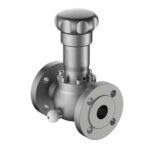
Расчет размеров аварийных сбросных клапанов: пошаговое техническое руководство для резервуаров-хранилищ
Недоразвитый аварийный сбросный клапан является одним из немногих элементов технологического оборудования, которое может выйти из строя катастрофическим образом без каких-либо предупреждающих признаков. Если мощность аварийной вентиляции резервуара меньше тепловой нагрузки или тепловыделения при пожаре в аварийной ситуации, в резервуаре возникнет избыточное давление, корпус деформируется, а последствия могут варьироваться от разлива до взрыва с выбросом паров (BLEVE). В данном руководстве подробно описан весь расчет размеров аварийного сбросного клапана Порядок эксплуатации резервуаров для хранения газов в атмосферном давлении и при пониженном давлении, основанный на API 2000 (7-е издание), API 520/521, и ISO 23251.
Что такое аварийный сбросный клапан и при каких условиях он срабатывает?
Клапан сброса давления и вакуума (PVRV) обеспечивает нормальный впуск и выпуск газа. Аварийный сбросный клапан (ERV) представляет собой отдельное сбросное устройство большего размера, которое срабатывает только в случае нештатных ситуаций, когда нормальный сброс оказывается недостаточным. Три основных сценария, требующих аварийного сброса, следующие:
- Воздействие огня — жидкость в резервуаре поглощает тепло от пожара в бассейне или от открытого огня, испаряется, и пар необходимо отводить быстрее, чем это может обеспечить клапан PVRV
- Заблокированный выход — кавитация в насосе, закрытый запорный клапан или ситуация, при которой в результате теплового расширения жидкость под высоким напором проникает в паровое пространство
- Неконтролируемая реакция или сбой в работе инженерных систем — применяется в основном к резервуарам с рубашкой и резервуарам для хранения химических веществ; реже используется в резервуарах для хранения сырой нефти или нефтепродуктов
Стандарт API 2000 определяет три уровня анализа: Уровень 1 (консервативный подход, без учета площади, находящейся в контакте с жидкостью), Уровень 2 (промежуточная, частично смачиваемая область), и Уровень 3 (строгое моделирование всех возможных последствий). Для большинства атмосферных резервуаров с фиксированной крышей достаточно уровня 1 или 2, которые поддаются аудиту.
Шаг 1 — Определение сценария проектирования
Случай с пожаром и случай без пожара
Основным вариантом определения размеров практически всех резервуаров для хранения в атмосферных условиях является случай пожара. В таблице B.1 стандарта API 2000 приведено уравнение теплопоглощения для резервуаров с площадью смачиваемой поверхности менее и более 260 м²:
- Площадь поверхности, контактирующая с жидкостью, ≤ 260 м²: Q = 43 200 × F × A0.82 (метрическая система, кДж/ч)
- Площадь поверхности, контактирующей с жидкостью, > 260 м²: Q = 70 900 × F × A0.5 (метрическая система, кДж/ч)
Где F — это коэффициент, зависящий от условий эксплуатации (1,0 для резервуаров без изоляции, 0,3 для резервуаров с утвержденной изоляцией, соответствующей критериям API, 0,15 для систем водяного опрыскивания) и A — площадь смачиваемой поверхности в м².
Расчет площади смачиваемой поверхности
Площадь поверхности, контактирующей с жидкостью, — это поверхность резервуара, которая может вступать в контакт с жидкостью во время пожара. Для вертикального цилиндрического резервуара в соответствии со стандартом API 2000 принято учитывать нижние 9,1 м (30 футов) высоты корпуса плюс дно. Для резервуаров с плавающей крышей, когда крыша находится в опущенном положении, следует учитывать площадь крыши. Для горизонтальных резервуаров смачивается вся корпусная часть до высоты 9,1 м.
Шаг 2 — Расчет необходимой интенсивности отвода паров
После того как вы определили тепловую мощность Q (кДж/ч), пересчитайте её в требуемый расход пара, используя скрытую теплоту испарения хранящегося продукта:
W = Q / Hv
Где W — требуемый массовый расход (кг/ч), а Hv — это скрытая теплота испарения при условиях разгрузки (кДж/кг). Для распространенных нефтепродуктов:
| Продукт | Теплота затухания Hv (кДж/кг при 38 °C) | Типичная температура разгрузки (°C) |
|---|---|---|
| Бензин (90 RON) | 310–340 | 60–80 |
| Нафта | 290–320 | 55–75 |
| Сырая нефть (легкая) | 230–270 | 80–110 |
| Дизельное топливо (газойль) | 220–250 | 100–130 |
| Авиационное топливо (А-1) | 300–330 | 70–90 |
| Этанол | 855–900 | 78–85 |
Если теплота затухания неизвестна, следует использовать наиболее консервативное (наименьшее) значение для данной группы изделий. Занижение значения Hv увеличивает расчетный расход пара W и позволяет выбрать клапан большего размера, что обеспечивает более высокую степень безопасности.
Шаг 3 — Преобразование массового расхода в объемный расход при условиях разгрузки
Производительность аварийного сбросного клапана обычно указывается в Нм³/ч (нормальных кубических метрах в час) или SCFH (стандартных кубических футах в час). Для пересчёта массового расхода W в объёмный расход при стандартных условиях:
Qstd = W × R × Tstd / (Pstd × M)
Где R — газовая постоянная (8 314 Дж/кмоль·К), Tstd составляет 273,15 К (стандартная температура 0 °C), Pstd составляет 101 325 Па, а M — молекулярная масса пара. Для нефтепродукта величину M можно оценить по кривой дистилляции по стандарту ASTM D86 или по корреляционной зависимости плотности по шкале API.
Пример расчёта: резервуар для сырой нефти объёмом 2 000 м³
Диаметр резервуара: 16 м, высота жидкости: 10 м (при полном наполнении), изоляция: отсутствует (F = 1,0)
- Площадь, находящаяся под водой: π × 16 м × 9,1 м + π/4 × 16² = 457 + 201 = 658 м² (свыше 260 м²)
- Теплопоступление: Q = 70 900 × 1,0 × 6580.5 = 70 900 × 25,65 = 1 818 000 кДж/ч
- Теплота скрытого плавления (легкая нефть, 250 кДж/кг): W = 1 818 000 / 250 = 7 272 кг/ч
- Молекулярная масса (легкая нефть, M ≈ 85): Qstd = 7 272 × 8 314 × 273 / (101 325 × 85) ≈ 2 150 Нм³/ч
Пропускная способность устройства аварийной вентиляции должна составлять не менее 2 150 Нм³/ч при расчетном давлении в резервуаре (обычно 17–35 мбар для резервуаров, работающих под атмосферным давлением).
Шаг 4 — Применение льготы за меры по охране окружающей среды и организации дренажа
Стандарт API 2000 позволяет снизить требуемую распускную способность, если на объекте предусмотрены планировка и дренаж, предотвращающие скопление разлитой жидкости в пределах 30 м от резервуара. Это кредит на дренаж: если дренаж организован надлежащим образом, в формуле расчета тепловой нагрузки используется коэффициент 0,5 F вместо значения по умолчанию 1,0. Многие старые резервуарные парки не соответствуют этим требованиям, поскольку дренажные каналы являются общими или заблокированы.
Шаг 5 — Выбор аварийного сбросного клапана
Аварийный вентиляционный клапан, вентиляционный люк манометра и крыша со слабыми швами
| Тип устройства | Давление активации | Повторная герметизация после мероприятия | Подходит для |
|---|---|---|---|
| Аварийный сбросный клапан (пружинный) | Регулируемый (например, 25–85 мбар) | Да | Все резервуары для хранения газа, предпочтительный вариант |
| Аварийный клапан с грузовым утяжелителем | Фиксированная по весу | Да | Более простые конструкции, более низкая стоимость |
| Сливной отверстие люка датчика | Очень низкое (<5 мбар) | Нет (открыто до сброса) | Только в качестве вторичного средства или в крайнем случае |
| Непрочное стыковое соединение кровельного покрытия | Нагрузка, при которой происходит разрушение конструкции | Нет (повреждения танка) | Окончательная защита от избыточного давления, устройство не рассчитано на определённый диапазон давления |
Данные о сертифицированной мощности
Все аварийные сбросные клапаны должны сопровождаться сертифицированной кривой пропускной способности от производителя, испытанной в соответствии с Приложением D к стандарту API 2000 или стандартом ISO 28300. В сертификате указана пропускная способность в Нм³/ч при различных заданных давлениях. Выберите клапан или группу клапанов, совокупная сертифицированная пропускная способность которых превышает расчетное значение W при расчетном заданном давлении. Предусмотрите запас в 10–25% сверх расчетной потребности с учетом будущего увеличения мощности или смены продукта.
Шаг 6 — Проверка впускных и выпускных трубопроводов
Аварийные сбросные клапаны на резервуарах для хранения почти всегда устанавливаются в верхней части (на патрубке на крыше резервуара), однако размер впускного патрубка и выходного трубопровода имеют решающее значение:
- Впускное сопло: рассчитан таким образом, чтобы перепад давления на входе при полном расходе составлял менее 3% от заданного давления. Для клапана с заданным давлением 17 мбар перепад давления на входе при номинальном расходе должен быть ниже 0,5 мбар.
- Выпускные трубопроводы: для клапанов с коллекторами сбора пара противодавление должно оставаться ниже 10% от заданного давления для обычных клапанов или ниже 50% для клапанов с уравновешенной сильфонной конструкцией.
- Без жидкостных уловителей: сливной трубопровод должен быть подключен к резервуару. Любой жидкостный уловитель уменьшит эффективную площадь вентиляции и может привести к герметичному закрытию клапана в аварийной ситуации.
Шаг 7 — Требования к документации и проверке
Каждый аварийный сбросный клапан, рассчитанный по размеру и установленный, должен иметь Технические характеристики клапана Отображаются следующие данные: номер бирки, идентификационный номер резервуара, заданное давление, сертифицированная вместимость при заданном давлении, расчетный сценарий, используемая скрытая теплота продукта и применяемый коэффициент окружающей среды. Требования к осмотру в соответствии со стандартом API 653 предусматривают проведение функциональных испытаний атмосферных резервуаров для хранения каждые 5 лет или чаще, если продукт обладает коррозионными свойствами. У клапанов с грузовым приводом требуется проверка седла; у клапанов с пружинным приводом — проверка натяжения пружины.
Распространённые ошибки при расчёте размеров аварийных предохранительных клапанов
- Использование коэффициентов расхода PVRV для расчета размеров ERV — Клапаны ERV имеют разные значения коэффициента сопротивления (Cd); всегда следует руководствоваться сертифицированной кривой производительности конкретного клапана ERV
- Неучёт перегрева пара — при высокой тепловой нагрузке на горелку давление сбросного пара может значительно превышать температуру кипения, что приводит к снижению плотности и увеличению объемного расхода
- Применение льготы на теплоизоляцию без проверки соответствия стандарту API — изоляция должна соответствовать критериям Приложения C к стандарту API 2000 (устойчивость к воздействию кокса, водонепроницаемость, огнестойкость в течение 2 часов); стандартные маты из минеральной ваты не соответствуют этим требованиям автоматически
- Одноклапанная конструкция для резервуаров, предназначенных для хранения нескольких видов продукции — если в резервуаре перемешиваются продукты с разной скрытой теплотой, размер резервуара следует рассчитывать исходя из самого легкого продукта (с наименьшим значением Hv)
- Неучёт пропускной способности параллельно работающих клапанов — суммарная производительность нескольких клапанов ERV, установленных параллельно, складывается только в том случае, если все клапаны имеют одинаковое заданное давление; несовпадающие настройки снижают эффективную суммарную производительность
Интеграция с аварийными сбросными клапанами Wanan
Компания «Wanan Technology» аварийные предохранительные клапаны изготавливаются в соответствии со стандартами API 2000 / ISO 28300 и поставляются с сертификатом пропускной способности, выданным независимыми организациями SGS или TÜV. По вопросам, связанным с проектами резервуарных парков, требующими помощи в расчете размеров и предоставления сертифицированных технических паспортов клапанов, обращайтесь к нашей инженерной службе, указав паспорт безопасности хранимого продукта (MSDS), диаметр резервуара, максимальный рабочий уровень жидкости и классификацию дренажной системы объекта. Мы предоставляем расчёты по подбору размеров, выбор клапанов и всю документацию, необходимую для проведения анализа HAZOP и подачи документов в регулирующие органы.
С методологией определения размеров см. в нашем Как работает PVRV руководство, посвящённое стандартной вентиляции в соответствии со стандартом API 2000, а также наше Расчет размеров вентиляционных отверстий резервуаров по стандарту API 2000 Пошаговое руководство по расчёту тепловых потоков при вдохе и выдохе.
Часто задаваемые вопросы: Расчет размеров аварийного сбросного клапана
Вопрос: Можно ли использовать предохранительный клапан (PSV), соответствующий требованиям раздела VIII стандарта ASME, вместо аварийного клапана, соответствующего стандарту API 2000?
A: Не напрямую. Предохранительные клапаны ASME предназначены для сосудов под давлением, а не для резервуаров, работающих при атмосферном давлении. Их заданное давление начинается примерно с 100 мбар, что значительно превышает рабочее давление резервуара, работающего при атмосферном давлении. Использование предохранительного клапана ASME на резервуаре с конической крышей приведет к тому, что давление в резервуаре будет расти до состояния, близкого к разрушению конструкции, прежде чем клапан откроется. Клапаны API 2000 / ISO 28300 рассчитаны на давление срабатывания всего 2–5 мбар, что подходит для хранения в атмосферных условиях.
Вопрос: Как убедиться, что аварийный сбросный клапан поставщика соответствует требуемой пропускной способности?
A: Запросите протокол испытаний на подтверждение производительности — а не только кривую из каталога. Сертифицированная производительность ERV измеряется на испытательном стенде для измерения расхода при заданном давлении клапана с использованием клапана фактического размера и внутренней арматуры. Сертификация независимыми организациями, такими как SGS, TÜV или DEKRA, обеспечивает наивысший уровень достоверности. В Приложении D к стандарту API 2000 описана процедура испытаний; клапаны, сертифицированные в соответствии с этим приложением, можно напрямую использовать в расчетах по стандарту API 2000.
Вопрос: В чём заключается разница между аварийной пропускной способностью и нормальной пропускной способностью?
A: Нормальная вентиляция обеспечивает отвод тепловых газов и перемещение жидкости — как правило, для большинства резервуаров этот расход составляет от десятков до сотен Нм³/ч. Аварийная вентиляция в случае пожара для того же резервуара может быть в 10–100 раз больше. Резервуар для сырой нефти объемом 5 000 м³ может потребовать нормальной производительности вентиляции 500 Нм³/ч, но в случае пожара — аварийной производительности вентиляции 8 000–15 000 Нм³/ч.
Вопрос: Нужен ли резервуару с плавающей крышей аварийный сбросный клапан?
A: Как правило, нет — когда плавающая крышка поднимается до предельного положения, она сама открывает уплотнительный обод, который выступает в качестве аварийного вентиляционного отверстия. Однако если крышка находится в опущенном положении (пустой резервуар, техническое обслуживание), требуется аварийное вентиляционное отверстие. На многих объектах устанавливают постоянное аварийное вентиляционное отверстие на центральном вентиляционном отверстии, чтобы обеспечить безопасность во всех возможных ситуациях.
Вопрос: Как часто следует проводить проверку работоспособности аварийных сбросных клапанов?
A: Стандарт API 653 рекомендует проводить функциональные испытания клапанов ERV в резервуарах, работающих при атмосферном давлении, каждые 5 лет. У клапанов с грузовым приводом необходимо проверять притирку седла; у клапанов с пружинным приводом — на испытательном стенде проверять заданное давление. При эксплуатации в условиях коррозионной среды или с сырой нефтью с высоким содержанием серы интервал между проверками следует сократить до 2–3 лет, поскольку сернистые соединения разрушают уплотняющие поверхности седел и могут привести к заклиниванию клапанов в открытом или закрытом положении.
Вопрос: Можно ли установить аварийный сбросный клапан на резервуаре с конусообразной крышей, не оснащенном пламегасителем?
A: Для большинства продуктов это не требуется, однако для продуктов с температурой вспышки ниже 60 °C (легковоспламеняющиеся жидкости классов I и II) настоятельно рекомендуется установить встроенный дефлаграционный прерыватель между вентиляционным отверстием и выпускным патрубком. Стандарт API 2000 не предписывает его установку, однако стандарт NFPA 30 и местные нормативные акты в странах ЕС, Великобритании и на Ближнем Востоке, как правило, требуют его установки. Перед принятием решения ознакомьтесь с местными нормативными актами.
 English
 Russian
 Arabic
 Spanish
 Portuguese
 Chinese