






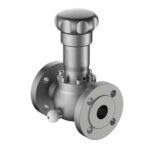
كيف يعمل صمام تنفيس الضغط والفراغ؟ دليل تقني شامل
تُعد صمامات تنفيس الضغط والفراغ (PVRVs) من أهم أجهزة السلامة في عمليات خزانات التخزين الصناعية. وسواء كنت تدير محطات توزيع النفط، أو مصانع معالجة المواد الكيميائية، أو منشآت تصنيع الأدوية، فإن فهم كيفية عمل جهاز PVRV وهو أمر ضروري لضمان سلامة العمليات والامتثال للوائح التنظيمية. يشرح هذا الدليل بالتفصيل كل جانب من جوانب عمل صمامات PVRV — بدءًا من المبادئ الأساسية وصولاً إلى التطبيقات العملية — بلغة بسيطة وسهلة الفهم.
ما هو صمام تنفيس الضغط والفراغ؟
صمام تنفيس الضغط والفراغ (المعروف أيضًا باسم صمام التنفيس, صمام تنفيس الضغط والفراغ, ، أو ببساطة PVRV) هو جهاز حماية يتم تركيبه أعلى خزانات التخزين ذات الضغط الجوي والضغط المنخفض. وتتمثل وظيفته الأساسية في تنظيم الضغط الداخلي للخزان تلقائيًّا عن طريق السماح للهواء أو البخار بالخروج عند ارتفاع الضغط الداخلي، وسحب الهواء إلى الداخل عند حدوث فراغ داخل الخزان.
في حالة عدم عمل صمام PVRV بشكل سليم، يتعرض خزان التخزين لخطرين كارثيين هما:
- الضغط الزائد قد يتسبب في تمزق الخزان، وفقدان المنتج، ومخاطر الحريق، وتلوث البيئة
- فراغ مفرط يمكن أن يتسبب في انفجار الخزان من الداخل (“الانهيار الطبقي”) وانهيار الهيكل وتلف المعدات
يمنع جهاز PVRV حدوث كلا السيناريوهين بفضل تصميمه ثنائي المفعول — حيث تتولى إحدى الآليات التعامل مع الضغط الزائد، بينما تتولى الآلية الأخرى التعامل مع ظروف الفراغ.
مبدأ العمل الأساسي: الحماية في الاتجاهين
المبدأ الأساسي الذي يقوم عليه أي PVRV بسيط: يفتح في الوقت المناسب ويبقى مغلقًا عندما لا ينبغي أن يفتح. يحافظ الجهاز على توازن دقيق بين قوتين متعارضتين داخل خزان التخزين.
كيفية عمل جانب الضغط (تنفّس الخزان)
السيناريو: أثناء التسخين النهاري، أو تعبئة المنتج، أو التفاعلات الكيميائية التي تنتج غازات، يرتفع الضغط داخل الخزان إلى ما فوق الحد الآمن.
الآلية:
- الاستشعار: يدفع ارتفاع الضغط الداخلي للخزان صعودًا ضد لوح الضغط (أو قرص الضغط) الموجود داخل هيكل صمام PVRV
- التغلب على المقاومة: عندما يتجاوز الضغط “الضغط المحدد” المُعد مسبقًا (عادةً ما يتراوح بين 2 و16 أونصة/بوصة مربعة أو 0.5 و4 كيلو باسكال)، فإنه يتغلب على وزن منصة الضغط بالإضافة إلى قوة الزنبرك التي تبقيها مغلقة
- التنفيس: ينفصل المقعد الضغطي عن سطحه، مما يفتح مسارًا لتدفق الأبخرة والهواء إلى الغلاف الجوي
- الختام: وعندما ينخفض الضغط مرة أخرى إلى ما دون النقطة المحددة، تعمل الجاذبية (الناجمة عن وزن المنصة) وقوة الزنبرك على دفع المقعد إلى الأسفل مرة أخرى، مما يؤدي إلى إعادة إحكام إغلاق الخزان
| المعلمة | النطاق النموذجي | الغرض |
|---|---|---|
| ضبط الضغط | 2–16 أونصة/بوصة مربعة (0.5–4 كيلو باسكال) | نقطة الانطلاق للفتح |
| الضغط الزائد | من +10% إلى +25% من ضغط الضبط | منصب شاغر تمامًا |
| التفريغ | من -10% إلى -20% من الضغط المحدد | نقطة إعادة الإغلاق |
كيفية عمل الجانب الفراغي (استنشاق الهواء إلى الخزان)
السيناريو: أثناء انخفاض درجة الحرارة ليلاً، أو أثناء ضخ المنتج (تفريغه)، أو عند حدوث انخفاض مفاجئ في درجة الحرارة، ينخفض الضغط داخل الخزان إلى ما دون الضغط الجوي، مما يؤدي إلى تكوّن فراغ جزئي.
الآلية:
- الاستشعار: يدفع الضغط الجوي الخارجي لأسفل على منصة التفريغ (أو قرص التفريغ)، التي تقع في وضع مقلوب بالنسبة لجانب الضغط
- التغلب على المقاومة: عندما يتجاوز مستوى الفراغ نقطة الضبط المحددة مسبقًا (عادةً ما تتراوح بين 0.5 و8 أونصة/بوصة مربعة أو 0.1 و2 كيلو باسكال)، يدفع ضغط الهواء الخارجي مقعد الفراغ إلى الانفتاح نحو الداخل
- الشهيق: يتدفق الهواء الجوي النقي إلى الخزان، مما يؤدي إلى موازنة الضغط الداخلي ومنع حدوث انفجار داخلي
- الختام: بمجرد عودة الضغط إلى مستواه الطبيعي، يعيد وزن منصة التحميل الفراغية (بالإضافة إلى الدعم الزنبركي الاختياري) إغلاق منفذ التفريغ
المكونات الرئيسية داخل جهاز PVRV
يساعد فهم التركيب الداخلي في الصيانة، واستكشاف الأعطال وإصلاحها، واختيار نوع الصمام المناسب:
| المكون | الوظيفة | خيارات المواد |
|---|---|---|
| الهيكل/الغلاف | يحتوي على جميع الأجزاء الداخلية؛ ويتصل بفوهة الخزان | الفولاذ الكربوني، الفولاذ المقاوم للصدأ 304/316، الألومنيوم |
| منصة الضغط (قرصية) | صفيحة ثقيلة قابلة للتحريك؛ تغلق فتحة تفريغ الضغط | الألومنيوم، الفولاذ المقاوم للصدأ، المطلي بـ PTFE |
| منصة نقالة تعمل بالفراغ (قرصية) | صفيحة ثقيلة قابلة للتحريك؛ تسد مدخل الفراغ | الألومنيوم، الفولاذ المقاوم للصدأ، المطلي بـ PTFE |
| حلقة (حلقات) المقعد | سطح تثبيت للمنصات النقالة؛ يضمن إحكام الإغلاق | PTFE، فيتون، FKM، EPDM (حسب التوافق الكيميائي) |
| الجمعية الربيعية | يوفر قوة إغلاق قابلة للتعديل على المنصات | الفولاذ المقاوم للصدأ (عادةً من النوع 316) |
| درع عاكس | يعمل على توجيه الغاز المنبعث بعيدًا عن جسم الصمام | الفولاذ المقاوم للصدأ أو الألومنيوم |
| الوصلة ذات الحافة | واجهة التثبيت على فوهة الخزان | شفة ANSI، ملولبة، محززة |
أنواع محركات PVRV: اختيار التكوين المناسب
ليست جميع صمامات تنفيس الضغط والفراغ متشابهة في تصميمها. فالتطبيقات المختلفة تتطلب تصميمات مختلفة:
1. PVRV المحملة بالوزن
النوع الأكثر شيوعًا والأكثر اقتصادية. تعتمد هذه المنصات كليًّا على وزنها الفعلي للحفاظ على إغلاقها. ويتم ضبط مستويات الضغط المحددة عن طريق إضافة أو إزالة أوزان معايرة. وهي الأنسب للتطبيقات ذات نقاط الضبط الثابتة حيث لا تتغير الظروف بشكل متكرر.
2. PVRV المزود بنابض
يستخدم نوابض مُعايرة بدقة بدلاً من الأوزان. ويوفر نقاط ضبط أكثر دقة ويسر عملية الضبط الميداني. يُفضل استخدامه في التطبيقات التي تتطلب إعادة المعايرة بشكل متكرر أو تحكمًا أكثر دقة في التفاوتات.
3. صمام PVRV الذي يعمل بتحكم يدوي
نسخة عالية الأداء حيث يتحكم صمام توجيهي صغير في الصمام الرئيسي. توفر إحكامًا فائقًا عند النسب المئوية العالية من الضغط المحدد وأوقات استجابة أسرع. تُستخدم عادةً في المنشآت البتروكيماوية الكبيرة الحجم حيث يُعد منع التسرب أمرًا بالغ الأهمية.
4. فتحة تهوية للطوارئ (تعمل بالضغط فقط)
مصمم خصيصًا لحالات الضغط الزائد الطارئة (مثل التعرض لحريق خارجي حول الخزان). لا يفتح إلا عند ضغوط عالية جدًّا — أعلى بكثير من نطاق التشغيل العادي لصمام تنفيس الضغط الرئيسي (PVRV). ويعمل كخط دفاع أخير ضد تمزق الخزان.
| النوع | الدقة | قابلية الضبط | الأفضل لـ | مستوى التكلفة |
|---|---|---|---|---|
| محملة بالوزن | ±15% | محدود | خزانات التخزين العامة | $ |
| مزود بنابض | ±5% | ضبط جيد في الميدان | ظروف العملية المتغيرة | $$ |
| تعمل بالتحكم اليدوي | ±1% | دقيق | خزانات بتروكيماوية كبيرة | $$$ |
| فتحة تهوية للطوارئ | غير متوفر | تم إصلاحه | نظام احتياطي للحماية من الحرائق | $$ |
التطبيقات العملية: أين تجد PVRVs
تحمي صمامات تخفيف الضغط والفراغ أنظمة التخزين في جميع مجالات الصناعة الثقيلة تقريبًا:
- محطات النفط والغاز: مخازن النفط الخام، وخزانات المنتجات المكررة، ومستودعات البنزين/الديزل — حيث يكون «التنفس الحراري» الناتج عن دورات درجات الحرارة بين النهار والليل ثابتًا
- المعالجة الكيميائية: خزانات تخزين المذيبات، وأوعية المنتجات الوسيطة، وخزانات تغذية المفاعلات — التي تتعامل مع المركبات العضوية المتطايرة (VOCs) التي تتطلب تهوية خاضعة للرقابة
- تصنيع الأدوية: تخزين المكونات الصيدلانية الفعالة (API)، وخزانات المذيبات — حيث يجب منع التلوث المتبادل من خلال الإغلاق المحكم
- الأطعمة والمشروبات: مخازن الإيثانول، وخزانات الزيوت الغذائية، وأوعية التخمير — حيث تتطلب معايير النظافة استخدام مواد متوافقة مع نظام التنظيف في الموقع (CIP)
- معالجة المياه: فتحات تهوية خزانات جرعات المواد الكيميائية، وتخزين الكلور — لمنع حدوث حالات تفريغ خطيرة أثناء سحب المواد الكيميائية
- الوقود الحيوي والطاقة المتجددة: تخزين الديزل الحيوي والإيثانول والديزل المتجدد — إدارة الخصائص التنفسية الفريدة للوقود الحيوي
PVRV مقارنةً بأجهزة حماية الدبابات الأخرى
من المهم عدم الخلط بين جهاز PVRV والأجهزة الأخرى المثبتة على الخزانات. وفيما يلي أوجه الاختلاف بينها:
| الجهاز | الوظيفة الأساسية | الفرق عن PVRV |
|---|---|---|
| PVRV | الحماية العادية + الحماية في حالات الطوارئ من الضغط/الفراغ | يعالج مشاكل التنفس الروتينية وحالات الطوارئ |
| مانع اللهب | يمنع انتشار اللهب داخل الخزان | لا يقوم بتنظيم الضغط؛ يُستخدم جنبًا إلى جنب مع صمام PVRV |
| منظم غاز شامل | يحافظ على وجود طبقة من الغاز الخامل فوق السائل | يضيف الغاز بدلاً من تصريفه إلى الغلاف الجوي |
| قرص الانفجار | تخفيف الضغط كملاذ أخير | جهاز للاستخدام مرة واحدة؛ يتم استبداله تلقائيًا بعد تفعيله |
| مقياس مستوى الوقود في الخزان | قياس مستوى السائل | لا توجد أي وظيفة لتنظيم الضغط على الإطلاق |
الصيانة: الحفاظ على موثوقية جهاز PVRV الخاص بك
جهاز PVRV ليس جهازًا يمكن تركيبه و"نسيانه". فالفحص والصيانة المنتظمان أمران بالغا الأهمية لضمان استمرار الحماية:
- الفحص البصري (شهريًّا): تحقق من وجود أي أضرار مادية أو تآكل أو تراكم للجليد أو تراكم للأوساخ على مخرج فتحة التهوية
- الاختبار الوظيفي (سنويًا): تأكد من أن جانب الضغط وجانب الفراغ يفتحان عند نقاط الضبط الصحيحة باستخدام جهاز اختبار معاير
- استبدال المقعد (كل 2–3 سنوات): استبدل حشيات المقاعد اللينة (PTFE، فيتون) عندما تتصلب وتفقد فعاليتها في الإحكام بمرور الوقت
- إعادة المعايرة (بعد أي حدث): إذا كان الصمام قد عمل (فتح بسبب ارتفاع الضغط أو حدوث فراغ)، فيجب فحصه وإعادة معايرته قبل إعادة تشغيله
- الوثائق: احتفظ بسجل لجميع عمليات الفحص والاختبارات والتعديلات — وهذا أمر مطلوب بموجب معيار API 2000 والعديد من اللوائح المحلية
الأخطاء الشائعة عند اختيار وتركيب صمامات PVRV
- ضغط الضبط غير الصحيح: يؤدي ضبط جانب الضغط على مستوى منخفض جدًّا إلى التهوية المستمرة (فقدان المنتج)؛ بينما يؤدي ضبطه على مستوى مرتفع جدًّا إلى خطر تلف الخزان. يجب دائمًا إجراء الحسابات استنادًا إلى ضغط التصميم للخزان، وليس بناءً على التخمين
- تجاهل معدل تنفس الخزان: يجب تحديد حجم صمام PVRV وفقًا لمعدل التدفق الداخلي/الخارجي الأقصى المتوقع لخزانك (معدلات الضخ، والتأثيرات الحرارية). فالصمام ذو الحجم الأصغر من المطلوب لن يوفر سعة تنفيس كافية
- عدم توافق المواد: سيؤدي استخدام الفولاذ الكربوني في صناعة خزان حمض الكبريتيك إلى تآكل سريع. يجب دائمًا التحقق من التوافق الكيميائي بين مواد الصمامات والمنتجات المخزنة
- تجاهل مانع اللهب: تتطلب العديد من المعايير (NFPA 30، OSHA 1910.106) تركيب مانع اللهب على مخارج صمامات PVRV الخاصة بخزانات تخزين السوائل القابلة للاشتعال. ويؤدي التركيب دون وجود هذا المانع إلى حدوث ثغرة خطيرة في الامتثال
- سد فتحة التهوية: إن طلاء فتحة التهوية الخاصة بـ PVRV أو تغطيتها أو السماح للثلج أو الجليد بسدها يجعل نظام الحماية بأكمله عديم الفائدة — وهذا أحد أكثر المخالفات شيوعًا التي يتم الإشارة إليها خلال عمليات تدقيق المنشآت
الأسئلة الشائعة حول تشغيل PVRV
ما الفرق بين صمام PVRV وصمام الأمان العادي (PSV)؟
جهاز PSV التقليدي لا يقوم إلا بتخفيف الضغط الزائد — ولا يتمتع بوظيفة الحماية من الفراغ. أما جهاز PVRV فقد صُمم خصيصًا لـ آليتان مستقلتان: واحدة لتخفيف الضغط والأخرى للحماية من الفراغ. بالإضافة إلى ذلك، صُممت صمامات PVRV للاستخدام في تطبيقات الضغط المنخفض (عادةً ما يكون أقل من 15 psi / 100 كيلو باسكال)، في حين تتحمل صمامات PSV ضغوطًا أعلى بكثير في أنظمة أنابيب المعالجة.
كيف أعرف ما هو ضغط الضبط الذي يحتاجه جهاز PVRV الخاص بي؟
يجب تحديد الضغط المضبوط استنادًا إلى ثلاثة عوامل: (1) أقصى ضغط تشغيل مسموح به للخزان (MAWP)، (2) متطلبات التهوية المحسوبة وفقًا لمعيار API 2000 (بناءً على حجم الخزان، ومعدلات التعبئة/الضخ، والتأثيرات الحرارية)، و(3) متطلبات القوانين المعمول بها. بالنسبة لمعظم خزانات التخزين ذات الضغط الجوي، يُعد ضبط الضغط عند 4–8 أونصة/بوصة مربعة (0.25–0.5 كيلو باسكال) وضبط الفراغ عند 2–4 أونصة/بوصة مربعة (0.12–0.25 كيلو باسكال) نقاط انطلاق نموذجية. استشر مهندسًا مؤهلًا لإجراء الحسابات الخاصة بالموقع.
هل يمكن أن يتعطل صمام PVRV وهو في الوضع المغلق؟ وماذا يحدث في هذه الحالة؟
نعم — يُطلق على هذه الظاهرة اسم “الالتصاق” أو “الانغلاق”، وعادةً ما تنتج عن التآكل، أو تراكم البوليمرات من المنتجات المخزنة، أو تكوّن الجليد في المناخات الباردة. إذا فشل صمام PVRV في الإغلاق أثناء حدوث ضغط زائد، يستمر الضغط في التراكم حتى يتم فتح فتحة التهوية الطارئة أو ينفجر الخزان. وإذا فشل في الإغلاق أثناء حدوث فراغ، فقد ينفجر الخزان من الداخل. ولهذا السبب الاختبار السنوي وهو أمر إلزامي بموجب معظم قوانين السلامة الصناعية.
هل أحتاج إلى مانع اللهب في صمام PVRV الخاص بي؟
بالنسبة للخزانات التي تُستخدم لتخزين السوائل القابلة للاشتعال،, نعم، في معظم الحالات تقريبًا. تنص معايير NFPA 30 (قانون السوائل القابلة للاشتعال والاحتراق) على ضرورة تركيب مانع اللهب معتمد أو أي وسيلة أخرى للحماية من الانفجار على فتحات تهوية الخزانات، ما لم يكن الخزان معزولاً غازياً. وعادةً ما يتم تركيب مانع اللهب على جانب مخرج صمام تخفيف الضغط (PVRV)، ليشكل بذلك مجموعة حماية متكاملة. تقدم شركة Wanan Technology وحدات مدمجة تجمع بين صمام PVRV ومانع اللهب، مما يبسط عملية التركيب ويضمن الامتثال للمعايير.
كم مرة يجب أن أستبدل السدادة/الحشية في جهاز PVRV الخاص بي؟
توصي معظم الشركات المصنعة باستبدال المقاعد اللينة (PTFE، فيتون، FKM، EPDM) كل من سنتين إلى ثلاث سنوات في ظل ظروف التشغيل العادية. ومع ذلك، إذا كان المنتج المخزن يحتوي على جزيئات كاشطة، أو مذيبات تؤدي إلى انتفاخ المطاط الصناعي، أو إذا كان التشغيل يتم في درجات حرارة قصوى، فقد يكون من الضروري استبدالها سنويًّا. وتؤدي المقاعد المتصلبة أو المتشققة إلى تسرب الصمام — مما يؤدي إلى فقدان المنتج، ومخالفات الانبعاثات، وظهور مصادر اشتعال محتملة بالقرب من قمة الخزان.
هل يمكن لجهاز PVRV واحد أن يخدم عدة خزانات؟
ورغم أن ذلك ممكن من الناحية الفنية باستخدام نظام أنابيب التوزيع، إلا أن هذه الممارسة عادةً ما تكون غير موصى به. يؤدي استخدام صمام تنفيس واحد (PVRV) مشترك بين الخزانات إلى عدة مشاكل: (1) يصبح حساب الحجم معقدًا للغاية نظرًا لاحتمال تداخل عمليات التنفيس بين الخزانات، (2) تسبب صمامات العزل نقاط فشل (فإذا أغلق شخص ما صمامًا، يفقد الخزان المتصل الحماية)، و(3) تتطلب معظم القواعد الفنية، بما في ذلك API 2000، أن يكون لكل خزان جهاز تهوية مخصص خاص به. ويُعد استخدام صمام PVRV واحد لكل خزان أفضل الممارسات المتبعة في الصناعة.
هل تحتاج إلى مساعدة في تحديد الحجم أو اختيار جهاز PVRV المناسب لتطبيقك؟ تقوم شركة «وانان تكنولوجي» بتصنيع مجموعة كاملة من صمامات تنفيس الضغط والفراغ — بدءًا من الطرز القياسية ذات التحميل بالوزن وصولاً إلى الصمامات الدقيقة التي تعمل بنظام التشغيل التوجيهي. تصفح منتجاتنا مجموعة منتجات PVRV أو اتصل بفريقنا الهندسي للحصول على استشارة مجانية بشأن تحديد المقاس المناسب. احمِ خزاناتك بموثوقية مجربة.
 English
 Russian
 Arabic
 Spanish
 Portuguese
 Chinese