






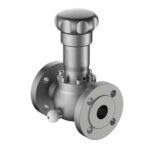
什麼是閉環取樣系統?完整指南(2026)

編輯標準: 本文經由擁有 20 多年石化設備製造經驗的 Wanan Technology 工程人員審閱。內容參照 API、ISO、ASME 及 ATEX 標準。. 關於我們的團隊.

What Is Closed Loop Sampling?

In petrochemical, refinery, and process industries, obtaining a representative sample of liquid or gas from pressurized systems is not as simple as opening a valve and filling a bottle. Traditional open-loop or manual sampling methods expose operators to hazardous chemicals, compromise sample integrity through atmospheric contamination, and release volatile organic compounds (VOCs) into the work environment.

Closed loop sampling — also known as closed-circuit sampling or representative sampling — is a systematic method that captures process fluids within a completely sealed system from the process take-off point to the sample container, and often through to laboratory analysis. The sample never contacts ambient air, the operator never faces direct exposure, and the resulting specimen accurately reflects the actual composition inside the pipe or vessel at the moment of extraction.

This technology has become the baseline standard across oil & gas refineries, chemical plants, pharmaceutical facilities, and natural gas processing units worldwide — driven by tightening regulations (OSHA, EPA, ATEX, SEVESO), corporate HSE mandates, and the straightforward economic case that good data prevents bad decisions.

How a Closed Loop Sampling System Works

A properly designed closed loop sampler operates as a compact, self-contained circuit between your process line and the sample cylinder. Here is the operational sequence:

  1. Connection & Isolation: The sampling assembly connects to a process tap (typically via a flange, threaded fitting, or welded nozzle). All valves start in the closed position, maintaining positive isolation between the process and the sampling equipment.
  2. Loop Purging (Conditioning): The operator opens the product valve (connecting the process line to the loop) and the vent valve, allowing fresh process fluid to flush through the entire sampling circuit — the tubing, valve bodies, and cylinder interior. This purge volume (typically 3–5 times the loop’s internal volume) displaces any residual material from previous samples, air ingress, or condensate.
  3. Filling: Once purged, the operator closes the vent and opens the cylinder valve(s). Process fluid flows directly into the sample container under controlled pressure. In constant-pressure systems, a spring-loaded or nitrogen-buffered piston inside the cylinder maintains the process pressure throughout filling, eliminating flash vaporization and preserving volatile component ratios — critical for light hydrocarbon analysis (LPG, NGL, condensates).
  4. Isolation & Disconnection: The cylinder valve closes, then the product valve seals the process connection. The filled cylinder — now at process pressure, fully sealed, and containing a representative specimen — is disconnected from the panel and transported to the lab for analysis (GC, chromatography, distillation, water content, etc.).

The entire cycle typically takes 3 to 8 minutes depending on fluid viscosity, required purge volume, and cylinder size.

Key Benefits: Why Closed Loop Matters

1. Operator Safety (HSE Compliance)

This is the primary driver. In traditional open sampling, an operator holds an open bottle under a flowing stream of benzene, hydrogen sulfide, or pressurized LPG — one slip, one overpressure event, or one dropped container can mean chemical burns, respiratory injury, fire, or worse. Closed loop systems keep the operator behind barriers, use sealed connections throughout, and comply with OSHA PSM (Process Safety Management), ATEX/IECEx zone classifications, and SEVESO III directives. For plants operating in the Middle East, Europe, and North America, this is no longer optional — it is a permitting and insurance requirement.

2. Sample Integrity & Data Quality

When crude oil, gasoline blend stock, or chemical intermediates contact air during sampling, several things happen simultaneously: light ends evaporate (skewing Reid Vapor Pressure and distillation data), moisture ingresses (corrupting Karl Fischer water analysis), and oxidation begins (affecting stability tests and colorimetry). A closed loop preserves the exact thermodynamic state of the process stream. For trading operations where 0.1% API gravity difference translates to thousands of dollars per cargo, this accuracy is not academic — it is financially critical.

3. Environmental & Regulatory Compliance

EPA, EU-IED (Industrial Emissions Directive), and local environmental agencies increasingly monitor fugitive emissions at every potential release point. Each open-loop sampling event is effectively an uncontrolled emission of VOCs. Closed loop systems are classified as zero-emission or near-zero-emission devices, contributing to a plant’s overall emissions inventory reduction, simplifying environmental reporting, and avoiding fines.

4. Operational Economics

Beyond compliance avoidance costs, closed loop systems reduce long-term expenses: fewer discarded samples due to contamination means less re-sampling labor; consistent sample quality reduces lab reruns; and standardized sampling hardware lowers training and spare-parts overhead. Most facilities achieve ROI on a well-designed closed loop sampling installation within 12 to 24 months through these combined savings.

Common Applications Across Industries

IndustryTypical Sample TypesKey Concerns Addressed
Oil RefineriesCrude feed, gasoline blend components, diesel, jet fuel, fuel oil, LPG, naphthaVapor pressure accuracy, sulfur spec compliance, RVP preservation
Petrochemical PlantsOlefin feedstocks (ethylene, propylene), aromatics (BTX), polymer intermediates, solventsPurity verification, catalyst protection data, trace contaminant detection
Natural Gas ProcessingNatural gas liquids (NGL), condensate, rich/lean glycol, amine solutionsHydrocarbon dew point, Btu content, water saturation, H2S/mercaptan levels
Pharmaceutical & Fine ChemicalSolvents, reaction intermediates, API precursorsMoisture exclusion, oxygen-sensitive compound integrity, GMP traceability
Food & Flavor ManufacturingEssential oils, food-grade solvents, flavoring compoundsContamination prevention, odor preservation, regulatory purity standards

Closed Loop vs. Traditional Open Sampling: Head-to-Head Comparison

FactorTraditional Open SamplingClosed Loop Sampling
Operator ExposureDirect contact with hazardous fluid and vaporsNo contact; fully isolated operation
Sample RepresentativenessCompromised by evaporation, air ingress, moisture pickupPreserved in original process condition
VOC EmissionsUncontrolled release during each sampling eventNear-zero / zero emissions
Regulatory StatusNon-compliant in many jurisdictions for hazardous fluidsComplies with OSHA PSM, ATEX, SEVESO, EPA
Data ReliabilityVariable; high re-sample rateConsistent; lab-ready quality
Initial CostLow (simple valve + container)Moderate to higher (panel, cylinder, fittings)
Total Cost of OwnershipHigher over time (rework, incidents, fines)Lower over time (efficiency, compliance, safety)

Choosing the Right Closed Loop Sampler: Key Selection Factors

Selecting a closed loop sampling system requires matching the equipment design to your specific process conditions. Not all samplers are created equal — here are the critical parameters to evaluate:

  • Fluid Phase & Properties: Is your sample liquid, gas, or two-phase? What is the viscosity range? Does it contain suspended solids or entrained water? High-viscosity or slurry applications require heated or jacketed panels and wide-bore valving.
  • Operating Pressure & Temperature: Samplers must be rated above your maximum process conditions with adequate safety margin (typically 1.5× operating pressure minimum). Extreme temperatures (cryogenic LPG or high-temp heavy oil) demand specialized seals and materials.
  • Container Type:
    • Constant-pressure cylinders (piston-type): Best for volatile liquids (LPG, condensates, naphtha) where maintaining sample pressure prevents phase change and preserves light-end composition.
    • Standard sampling cylinders: Suitable for stable liquids (diesel, lubricating oils, most chemicals) where moderate pressure drop during transport is acceptable.
    • Gas sample bags/cylinders: For gas-phase sampling from natural gas or vent streams.
  • Material Compatibility: 316L stainless steel is the standard for most hydrocarbon and chemical service. For sour service (H2S-containing streams), specify NACE MR0175/ISO 15156 compliant materials. Specialty alloys (Hastelloy, Monel, duplex) may be required for corrosive chlorinated or acidic services.
  • Valve Configuration: Self-resetting, needle-style sampling valves offer precise flow control and automatic closure — reducing human error. Flanged or threaded connections must match your existing process nozzle standards (ANSI/DIN/JIS).
  • Certifications & Standards: Verify compliance with applicable codes: ASME BPV Section VIII for pressure vessels, EN 10204 3.1 material certificates, PED (Pressure Equipment Directive) 2014/68/EU for European installations, and DOT/TC special permits for cylinder transport where applicable.

For a detailed overview of available closed loop sampling systems and configurations suitable for refinery, chemical, and gas processing applications, explore our product category page featuring piston cylinders, standard cylinders, panel assemblies, and custom-engineered solutions.

常見問題

What is the difference between closed loop sampling and grab sampling?

Grab sampling typically refers to any single-point, discrete sample collection — it can be either open or closed loop. The key distinction lies in whether the sample path is sealed (closed loop) or exposed to atmosphere (open). Closed loop grab sampling gives you a safe, representative snapshot of the process at one moment; continuous or online analyzers provide real-time monitoring but at significantly higher capital cost.

Can closed loop samplers handle high-viscosity or solid-laden fluids?

Yes, with proper engineering. Heavy crude, asphalt, wax-containing streams, and slurries require heated or steam-traced sampling panels to maintain fluidity, oversized bore valves and tubing (minimum 6 mm / 1/4 inch, preferably larger) to prevent plugging, and specialized cylinder designs such as heated jackets or wide-mouth openings. Always specify the full range of expected fluid properties when requesting a quotation.

How often should sampling cylinders be re-certified?

This depends on regional regulations and service severity. In most jurisdictions, hydrostatic re-test intervals are every 5 years for standard steel sampling cylinders. However, cylinders used in aggressive service (sour/H2S, cyclic pressure, extreme temperature swings) may require more frequent inspection — typically annually or biannually including visual inspection, wall thickness measurement (ultrasonic), and valve function testing. Follow your site’s mechanical integrity program and local pressure vessel regulations.

Is closed loop sampling mandatory by law?

It depends on the jurisdiction, the substance being sampled, and the facility’s permit conditions. In the European Union, the Industrial Emissions Directive (IED) and SEVESO III regulations effectively mandate closed-loop or equivalent zero-emission handling for carcinogenic, mutagenic, or reproductive-toxic (CMR) substances and for major-hazard establishments. In the United States, OSHA PSM (29 CFR 1910.119) and EPA risk management program rules create strong incentives though they do not explicitly name sampling methods. Many corporate HSE policies, insurance requirements, and customer audit standards (such as RC14001 or Responsible Care) have made closed loop sampling a de facto requirement across the global petrochemical industry.

What maintenance does a closed loop sampling panel need?

Routine maintenance is minimal but essential. Recommended practices include: monthly visual inspection of connections and tubing for leaks or corrosion; quarterly valve actuation exercise (open/close cycles) to prevent seizing; annual seal/gasket replacement and torque check on all bolted connections; periodic cylinder internal cleaning (especially after reactive or polymerizing samples); and immediate replacement of any component showing wear, scoring, or leakage. A well-maintained sampling panel should provide 10–15+ years of reliable service.

How much does a typical closed loop sampling system cost?

Entry-level single-point sampling panels with a standard cylinder start in the range of $800–$2,500 USD depending on material, pressure rating, and configuration. Multi-point panels, constant-pressure (piston) cylinder systems, heated/jacketed assemblies for specialty applications, and systems requiring ATEX or PED certification fall into the $3,000–$15,000+ range. Custom-engineered skid-mounted sampling systems for large refineries can exceed $25,000. Contact our engineering team with your specific process conditions for a tailored quotation.


Ready to upgrade your plant’s sampling capability? Wanan Technology has supplied closed loop sampling systems to Sinopec, PetroChina, ExxonMobil Lukoil, BASF, and leading EPC contractors across 40+ countries. Our engineers can help you select the right configuration for your application, provide CAD drawings for integration into your P&ID, and deliver certified equipment with full traceability documentation.

Request a Quote →   Download Product Catalog

石化取樣與儲槽安全技術文章

Wanan Technology 的技術資料庫涵蓋石化取樣系統、阻火器及儲槽安全閥的工程指南、選型準則與合規標準。每篇文章均由我們的壓力容器工程師及 API 認證專家撰寫,融合了 15 年以上的製造經驗,以及遍及 30 多個國家的現場安裝實務。 無論您需要依據 API 2000 標準進行壓力真空洩壓閥的選型、選用符合 ISO 16852 認證的阻火器,或是為含硫工況指定閉環取樣系統,這些指南都能提供您所需的深入技術支援。.

精選技術指南

何謂閉環取樣系統?完整指南

對閉環取樣原理、組件及應用之全面概述。內容涵蓋零排放取樣、吹掃與回流設計,以及與開環方法之比較。對於負責為煉油廠及石化廠指定取樣系統的製程工程師而言,此為必讀資料。.

《火焰阻隔器選型完全指南》

針對迸燃與爆震型火焰阻隔器的逐步選型方法。內容涵蓋 ISO 16852 分類標準、管線末端與管線內應用之區別、溫度等級,以及適用於腐蝕性工況的材質選用。並包含儲槽排氣管與蒸氣回收系統的實際範例。.

阻火器與 PVRV:您需要哪一種?

直接比較火焰阻斷器與壓力真空洩壓閥——這兩種功能各異的關鍵儲槽安全裝置。本文說明何時需要使用各自裝置、它們如何協同運作,以及可能危及儲槽安全的常見配置錯誤。.

PVRV 是如何運作的?完整技術指南

深入探討壓力真空通氣閥的運作原理。內容涵蓋彈簧式與配重式設計的比較、設定壓力計算、閥座密封性,以及 API 2000 的排氣要求。並包含維護要訣與常見故障模式。.

API 2000 儲槽通氣管尺寸選定指南(附解題範例)

根據 API 2000 標準,針對大氣儲存槽排氣管尺寸選定之實務指南。內容涵蓋因液體抽取及熱收縮所產生的吸氣、因液體注入及熱膨脹所產生的排氣,以及火災情況下的排氣。其中包含針對 10,000 桶容量儲存槽的分步計算說明。.

ISO 16852 火焰阻隔器標準解析

以淺顯易懂的語言闡述國際火焰阻斷器性能標準。內容涵蓋燃燒測試與爆震測試的區別、工作溫度分級,以及如何解讀火焰阻斷器認證標籤。對合規工程師和採購團隊而言至關重要。.

ATEX 火焰阻隔器要求 | 歐盟合規指南

關於火焰阻隔器及取樣設備符合 ATEX 指令 2014/34/EU 的完整指南。內容涵蓋設備組別、類別、區域以及 CE 標誌要求。內含進口至歐盟的合規檢查清單。.

製程分析儀的取樣系統設計指南

本工程指南旨在協助設計能向製程分析儀提供具代表性樣本的取樣系統,內容涵蓋取樣點位置、輸送管線尺寸選定、滯後時間計算以及快速迴路設計。本指南專為儀表工程師及分析儀專家撰寫。.

閉環採樣器安裝指南

經現場驗證的閉環取樣系統安裝程序。內容涵蓋工藝連接、吹掃管路佈線、取樣筒安裝及調試檢查。並包含常見取樣問題的故障排除指南。.

緊急洩壓閥選型:逐步指南(API 2000)

儲存槽緊急洩壓閥的詳細選型方法。涵蓋火災情況下的選型、異常工藝條件,以及先導式與彈簧式閥門的選型比較。包含一個 50,000 桶原油儲存槽緊急排氣的實際範例。.

涵蓋主題

  • 採樣系統 — 閉環採樣、採樣筒、採樣接頭、與製程分析儀的整合
  • 阻火器 — 燃爆與爆震阻斷器,符合 ISO 16852 標準及 ATEX 規範,提供管線末端與管線內置配置
  • 壓力真空洩壓閥 — 根據 API 2000 標準的 PVRV 選型、彈簧式與配重式之比較、通氣閥維護
  • 緊急洩壓閥 — 火災情況下的排氣、先導式閥門、緊急排氣管徑設計
  • 標準與合規性 — API 2000、ISO 16852、ATEX 2014/34/EU、ASME U 標章、OSHA、EPA
  • 材料選用 — 316L 不鏽鋼、哈氏合金 C276、雙相不鏽鋼、適用於 H₂S 及腐蝕性環境的碳鋼

為什麼要閱讀我們的技術文章?

我們技術資料庫中的每篇文章,均由具備實際製造與現場經驗的 Wanan Technology 工程師撰寫。 我們絕不沿用通用內容——每份指南皆以真實客戶專案、實際尺寸計算,以及從中國石化、埃克森美孚、巴斯夫和盧克石油等設施的安裝案例中汲取的經驗教訓為基礎。無論您是製程工程師、採購專員還是合規專員,我們的目標都是協助您做出明智的規格決策。.

需要協助為您的應用選擇合適的設備嗎? 請聯絡我們的工程團隊 以獲得個人化推薦。.

W

瓦南工程團隊

技術工程部 · 20 年以上經驗

ASME U 標章認證製造商

Wanan Technology 的工程團隊在石化取樣系統、儲槽安全設備及壓力釋放裝置的設計與製造方面,擁有超過二十年的經驗。 我們的工程師均持有 ASME、API 及 ISO 認證,並已向 40 多個國家的煉油廠、化工廠及儲存終端供應設備,合作項目包括中國石化、中國石油、埃克森美孚、盧克石油及巴斯夫等。.

認證:ASME U 標章ISO 9001ATEXEACAPI 2000PED 2014/68/EU