






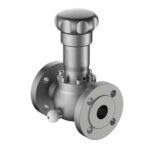
صمام تخفيف الضغط
صمام تخفيف الضغط
نظام قضيب مزدوج لضربات سلسة وتآكل منخفض
التسرب أقل بكثير من معايير API2000 ويضمن دقة ضبط عالية (±3%).
فتحة كاملة عند ضغط زائد 10%
البكرة ومجموعات المقعد قابلة للاستبدال ميدانيًا
يدعم شفاه ANSI وDIN وHG/T20592 ~ 20592 ~ 20635 ~ 2009.

المنتجات ذات الصلة
منتجات ذات صلة
- صمامات تفريغ الضغط
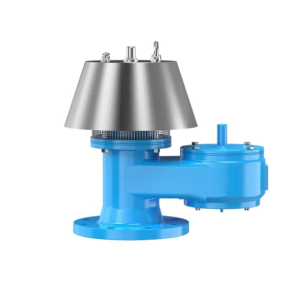
صمام تخفيف التفريغ
- صمامات التنفس في نهاية الخط
صمام التنفس في نهاية الخط

الأسئلة الشائعة
س: ما هو جهاز أخذ العينات ذو الدائرة المغلقة وكيف يعمل؟
جهاز أخذ العينات ذو الدائرة المغلقة هو جهاز أمان يُستخدم لجمع عينات سائلة من خطوط الأنابيب أو خزانات التخزين دون تعريض المشغلين للمواد الكيميائية الخطرة. تتوافق أجهزة أخذ العينات ذات الدائرة المغلقة من «وانان» مع معيار API MPMS 8.2، وتتميز بتصميم محكم الإغلاق يعيد سائل التطهير إلى العملية، مما يمنع انبعاثات المركبات العضوية المتطايرة (VOC).
س: ما هي الشهادات التي حصلت عليها شركة «وانان تكنولوجي» فيما يتعلق بمانعات اللهب؟
تحمل مانعات انتشار اللهب من «وانان» شهادات الامتثال لمعايير ISO 16852 وATEX (التوجيه الأوروبي بشأن الأجواء القابلة للانفجار) وEN 12874. ونقدم تقارير اختبار النوع لمجموعات الغازات IIA وIIB وIIC. يتم تصنيع جميع المنتجات في منشآتنا الحاصلة على شهادة ISO 9001:2015.
س: هل تزود شركة "وانان تكنولوجي" شركات النفط الكبرى؟
نعم. تُعد شركة «وانان تكنولوجي» موردًا مسجَّلًا ومؤهَّلًا لشركات «سينوبك» و«بتروتشاينا» و«سي إن أو أو سي» (الصين)، و«إكسون موبيل» و«لوك أويل» (روسيا)، و«إيني» (إيطاليا)، و«كازموناي غاز» (كازاخستان)، و«بي دي في إس إيه» (فنزويلا)، وغيرها.
س: أين تقع مصانع شركة وانان للتكنولوجيا؟
تمتلك شركة «وانان تكنولوجي» منشآت تصنيع في ألمانيا والولايات المتحدة الأمريكية والصين. كما لدينا مراكز للمخزون وخدمات المبيعات في الإمارات العربية المتحدة لخدمة عملائنا في الشرق الأوسط وجميع أنحاء العالم من خلال التسليم السريع.
س: ما هي الحالات التي يُعد فيها جهاز أخذ العينات المُحكم الإغلاق من شركة Wan'an Technology مناسبًا؟
تعتبر وحدة أخذ العينات المغلقة من شركة «وانآن تكنولوجي» مناسبة لعمليات أخذ العينات السائلة التي تنطوي على مواد سامة وخطرة في صناعات البتروكيماويات والغاز الطبيعي وتكرير النفط ومجمعات الخزانات. وهي تتوافق مع معايير API MPMS 8.2، وتمنع المشغلين من ملامسة المواد الخطرة، وتفي بمتطلبات الصحة والسلامة والبيئة (HSE) فيما يتعلق بالانبعاثات البيئية.
س: ما هي المدة الزمنية المعتادة لتسليم المنتجات القياسية والمخصصة؟
ج: يتم شحن المنتجات القياسية في غضون 2-4 أسابيع من تاريخ تأكيد الطلب. أما الحلول المصممة خصيصًا فتستغرق عادةً من 6 إلى 8 أسابيع، اعتمادًا على مدى تعقيد المواصفات. وبالنسبة للمشاريع العاجلة، نقدم خدمة الإنتاج السريع عند الطلب — يرجى الاتصال بفريق المبيعات لدينا وإبلاغنا بالجدول الزمني المطلوب، وسنقوم بوضع خطة زمنية مناسبة.
س: ما هي الشهادات الدولية التي تحملها منتجاتكم، وهل يمكنكم تقديم وثائق الامتثال؟
ج: تتوافق منتجاتنا مع المعايير الدولية الرئيسية، بما في ذلك ISO 3170 (أخذ عينات البترول)، وAPI MPMS 8.1/8.2، وATEX للأجواء القابلة للانفجار، وASME، وEAC. كما تتوفر شهادات DOT وTPED لأسطوانات العينات. ونقدم وثائق الاعتماد الكاملة وشهادات اختبار المواد مع كل طلب.
س: هل يمكنني طلب عينة أو وحدة تجريبية قبل تقديم طلب شراء بالجملة؟
ج: نعم. نحن نقدم عينات من الوحدات لأغراض التقييم. وعند الموافقة، نقوم بشحن وحدة واحدة أو وحدتين حتى تتمكن من التحقق من التوافق مع الاستخدام المقصود والمواد المستخدمة وظروف الموقع قبل الالتزام بطلب شراء بكميات كبيرة. وقد تُفرض تكاليف شحن حسب الوجهة.
 English
 Russian
 Arabic
 Spanish
 Portuguese
 Chinese